Supplements and diet get most of the attention in this space, but daily habits play a real role too. None of these require special equipment — just a bit of consistency.
Mind Your Posture
Slouching compresses the chest cavity and can restrict how fully your diaphragm and lungs expand with each breath. Sitting and standing upright — especially during long stretches at a desk — allows for fuller, more natural breathing throughout the day.
Move Regularly
Aerobic activity, even at a moderate pace, is commonly associated with improved efficiency of the muscles involved in breathing over time. You don't need intense workouts — a daily walk is a reasonable, sustainable starting point for most adults.
Stay Hydrated
Adequate hydration helps keep the mucosal linings of the respiratory tract functioning normally. This is a simple, often-overlooked habit that supports comfortable breathing.
Practice Deep, Diaphragmatic Breathing
Most adults breathe shallowly from the chest during a typical day, especially under stress. Occasionally practicing slower, deeper breaths that engage the diaphragm is a simple habit some people find helpful for a sense of calm and fuller breathing. See our dedicated breathing exercises guide for a few beginner-friendly examples.
Pay Attention to Your Environment
Indoor and outdoor air quality both affect what you're breathing all day, every day. See our air quality guide for simple, practical ways to improve the air around you.
Consistency over intensity: these habits are meant to be sustainable additions to daily life, not a strict regimen. Small, repeated actions tend to matter more than occasional big efforts.
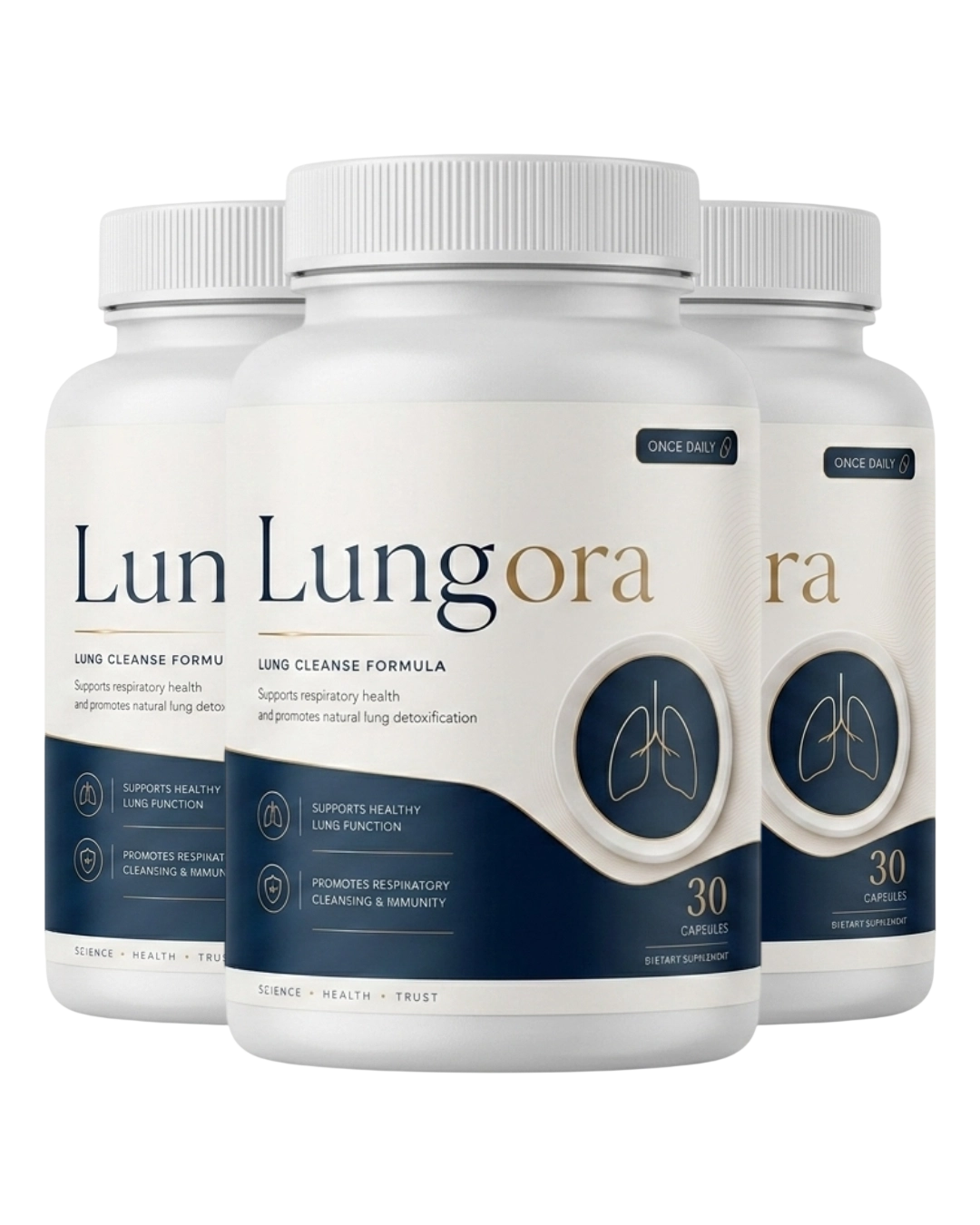
A Simple Addition to These Habits
Lungora is designed as one small, consistent daily habit — a single capsule that fits alongside posture, movement, hydration, and the other basics.
See How It WorksQuick Answers
Does posture really affect breathing?
Yes — slouching compresses the chest cavity and can restrict full diaphragm and lung expansion. Sitting and standing upright allows for fuller, easier breaths.
How does exercise relate to lung airflow?
Regular aerobic activity is commonly associated with improved efficiency of the breathing muscles over time, though it doesn't increase lung capacity itself in most healthy adults.
When should shortness of breath be checked by a doctor?
Any new, worsening, or unexplained shortness of breath should be evaluated promptly, especially if sudden or paired with chest pain.