"Lung support supplement" is a broad category — it covers everything from single-vitamin capsules to multi-ingredient formulas built around herbs, amino acids, and antioxidants. If you've started looking into this space, you've probably noticed the terminology overlaps a lot: pills, capsules, formulas, and "supplements" often mean the same thing marketed slightly differently.
This guide is meant to be a starting point. It won't tell you which single product to buy, but it will walk through what this category actually includes, the ingredient groups you'll run into most often, and a simple framework for evaluating any product before you spend money on it.
What "Lung Support Supplement" Actually Means
In the U.S., dietary supplements — including lung support formulas — are regulated as a category separate from drugs. That distinction matters: a supplement is intended to support normal structure or function of the body (for example, "supports healthy lung function"), not to diagnose, treat, cure, or prevent a disease like asthma or COPD. Any product claiming otherwise is overstepping what's legally and scientifically appropriate for a supplement.
Most lung support supplements fall into one of a few formats:
- Capsules or pills — the most common format, usually taken once or twice daily.
- Powders — mixed into water or a drink, less common for this category.
- Gummies or chewables — easier to take but often lower in ingredient dosing per serving.
We cover the pill/capsule format in more depth in our guide to lung support pills.
The Ingredient Categories You'll See Most
Almost every lung support formula draws from four overlapping ingredient groups:
- Vitamins and minerals — things like vitamin C, vitamin D, and magnesium show up constantly. See our lung support vitamins guide.
- Herbs and botanical extracts — turmeric, mullein, and butcher's broom root are common examples. See our lung support herbs guide.
- Amino acids and antioxidant compounds — L-carnitine and CoQ10 are typical examples, often included for their role in cellular energy and antioxidant activity.
- Food-derived nutrients — some formulas simply concentrate nutrients that are also available through diet. Our lung support foods guide covers the food side of this.
A note on evidence: individual ingredients are often studied on their own, in specific doses, under specific conditions. That research doesn't automatically prove a finished multi-ingredient product will produce the same effect. Be skeptical of any product that implies otherwise.
How to Evaluate a Lung Support Supplement
Whether you're looking at Lungora or any other product in this category, the same basic checklist applies:
- Full ingredient transparency. Every ingredient and amount should be listed on the label — avoid "proprietary blends" that hide individual dosing.
- Realistic, structure/function language. Look for wording like "supports" or "helps maintain" rather than "cures," "treats," or "reverses."
- Clear directions and serving size. You should know exactly how much to take and how often before you buy.
- A real guarantee and real contact information. Legitimate sellers publish a refund policy and a way to reach support.
- No fabricated proof. Be wary of fake-looking certification badges, invented statistics, or reviews that seem too uniform.
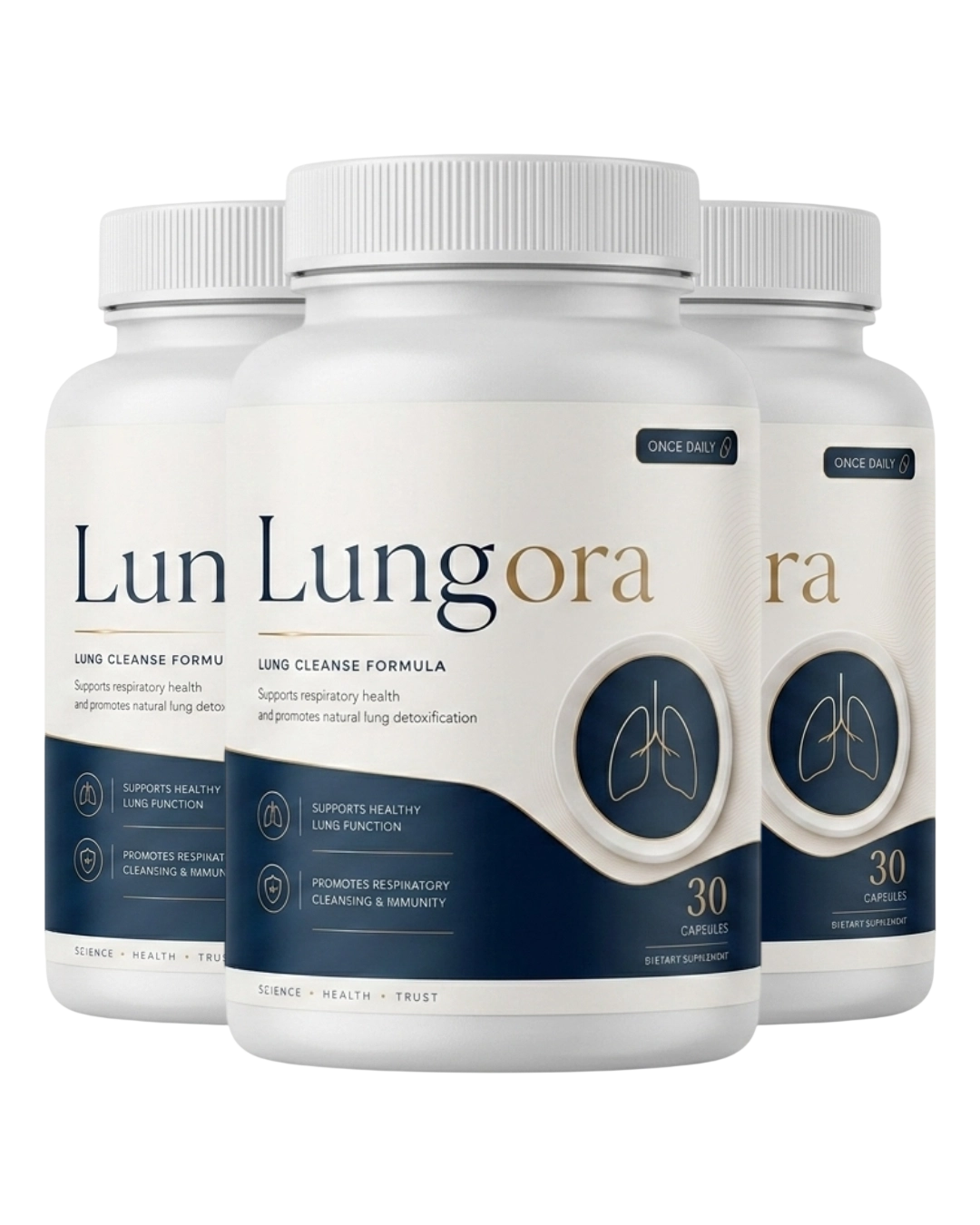
Where Lungora Fits In
Lungora is a once-daily capsule built around six listed ingredients — Magnesium Glycinate, Alpha Lipoic Acid, Butcher's Broom Root Extract, L-Carnitine, Turmeric Extract, and CoQ10 — organized around nerve health, circulation, and antioxidant support.
See the Full FormulaWho Might Consider One
Lung support supplements are generally marketed to adults looking for a simple, consistent addition to their daily wellness routine — not as a replacement for medical treatment, a healthy diet, or regular physical activity. If you have a diagnosed respiratory condition, are pregnant or nursing, or take regular medication, talk with a healthcare provider before adding any new supplement.
Quick Answers
Are lung support supplements regulated by the FDA?
Dietary supplements are regulated differently than drugs in the U.S. The FDA does not approve them for effectiveness before sale, and manufacturers cannot legally claim a supplement diagnoses, treats, cures, or prevents disease.
Can a supplement replace asthma or COPD medication?
No. Supplements are not a substitute for prescribed medication or medical care. Talk to your healthcare provider before changing any treatment plan.
How long does it take to notice a difference?
This varies by person and product, with no guaranteed timeline. Most manufacturers recommend consistent daily use as part of a broader routine rather than expecting immediate results.