Vitamins are the backbone of most lung support formulas — they're well-studied, easy to source, and generally well understood in terms of their role in the body. Here's a plain-language rundown of the nutrients that come up most often, and why.
Vitamin C
Vitamin C is a water-soluble antioxidant involved in protecting cells from everyday oxidative stress and supporting normal immune function. It's one of the most commonly cited nutrients in general respiratory wellness content. We go deeper on this one in our Vitamin C and Lung Health guide.
Vitamin D
Often called the "sunshine vitamin" because the body produces it in response to sunlight, vitamin D plays a role in immune regulation and is a nutrient many adults don't get enough of, especially in winter months or with limited sun exposure. See our Vitamin D and Respiratory Wellness guide for more detail.
Magnesium
Magnesium is involved in hundreds of processes in the body, including normal nerve signaling and muscle function — both relevant to the muscles involved in breathing. Magnesium glycinate, a form bonded to the amino acid glycine, is commonly used in supplements for its absorbability.
Vitamin E
A fat-soluble antioxidant, vitamin E is sometimes included in respiratory wellness formulas for its general role in protecting cell membranes from oxidative damage.
Important context: having adequate levels of these vitamins supports general health, including the normal function of tissues throughout the body. None of this means a vitamin can treat, cure, or prevent a respiratory disease — that's a different, much higher bar than general nutritional support.
Vitamins Alone, or Part of a Larger Formula?
Some products are single-vitamin supplements; others combine several vitamins with minerals, herbs, and amino acids into one formula. Combination formulas (like most products marketed as "lung support supplements") are usually chosen for convenience — one capsule instead of five. See our full supplements guide for how to evaluate those combination formulas.
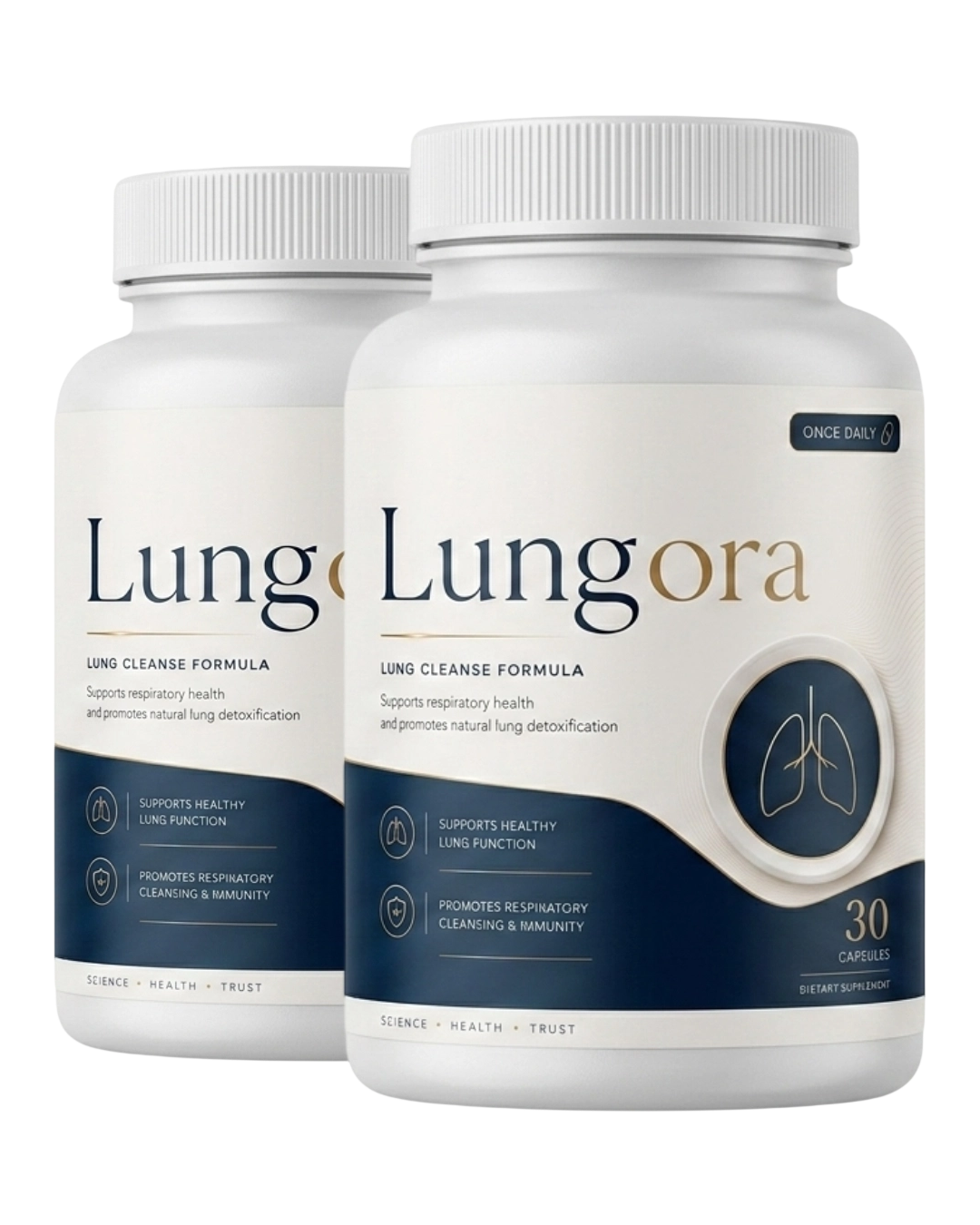
How This Shows Up in Lungora
Lungora's formula includes Magnesium Glycinate alongside Alpha Lipoic Acid, Turmeric Extract, and CoQ10 — a combination approach rather than a single-vitamin product.
See the Full FormulaQuick Answers
Can a multivitamin replace a lung support supplement?
A general multivitamin may cover baseline needs, but dedicated lung support formulas typically add targeted ingredients like herbal extracts or amino acids not found in a standard multivitamin.
Which vitamin deficiency is most linked to respiratory wellness discussions?
Vitamin D and vitamin C are the two most commonly discussed in general wellness content related to respiratory and immune health.
Should I get these vitamins from food or supplements?
Both are valid. Whole foods provide nutrients alongside fiber and other compounds, while supplements offer convenience and consistent dosing — many people use both.