Supplements get a lot of attention, but food is still the foundation of general wellness — including whatever role nutrition plays in respiratory comfort. Here's a practical rundown of foods commonly recommended in this context, and why.
Leafy Greens
Spinach, kale, and other leafy greens are rich in antioxidants, including vitamin C and carotenoids, along with fiber and a range of micronutrients. They're a near-universal recommendation across almost every category of wellness content, respiratory included.
Berries
Blueberries, strawberries, and other berries are among the most concentrated sources of dietary antioxidants (specifically anthocyanins), commonly discussed for their role in general antioxidant protection throughout the body.
Fatty Fish
Salmon, sardines, and mackerel provide omega-3 fatty acids, which are widely studied for their role in the body's normal inflammatory response processes.
Cruciferous Vegetables
Broccoli, cauliflower, and Brussels sprouts contain sulforaphane and other plant compounds that are frequently discussed in general antioxidant and detoxification-pathway nutrition content.
Turmeric and Other Spices
Beyond supplement form, turmeric can be used directly in cooking. See our turmeric and respiratory health guide for more on curcumin specifically.
Big picture: no single food determines respiratory wellness. What matters more is an overall eating pattern — consistent intake of a variety of whole foods — rather than any one "superfood." Be skeptical of any claim that a specific food or ingredient can single-handedly improve lung function.
Food vs. Supplements
Whole foods provide nutrients alongside fiber, water, and other beneficial compounds that isolated supplements don't replicate. At the same time, supplements offer consistency and convenience that can be hard to match through diet alone, especially for nutrients like vitamin D. Most people benefit from a combination of both — see our lung support supplements guide and antioxidant-rich foods guide for more on each side.
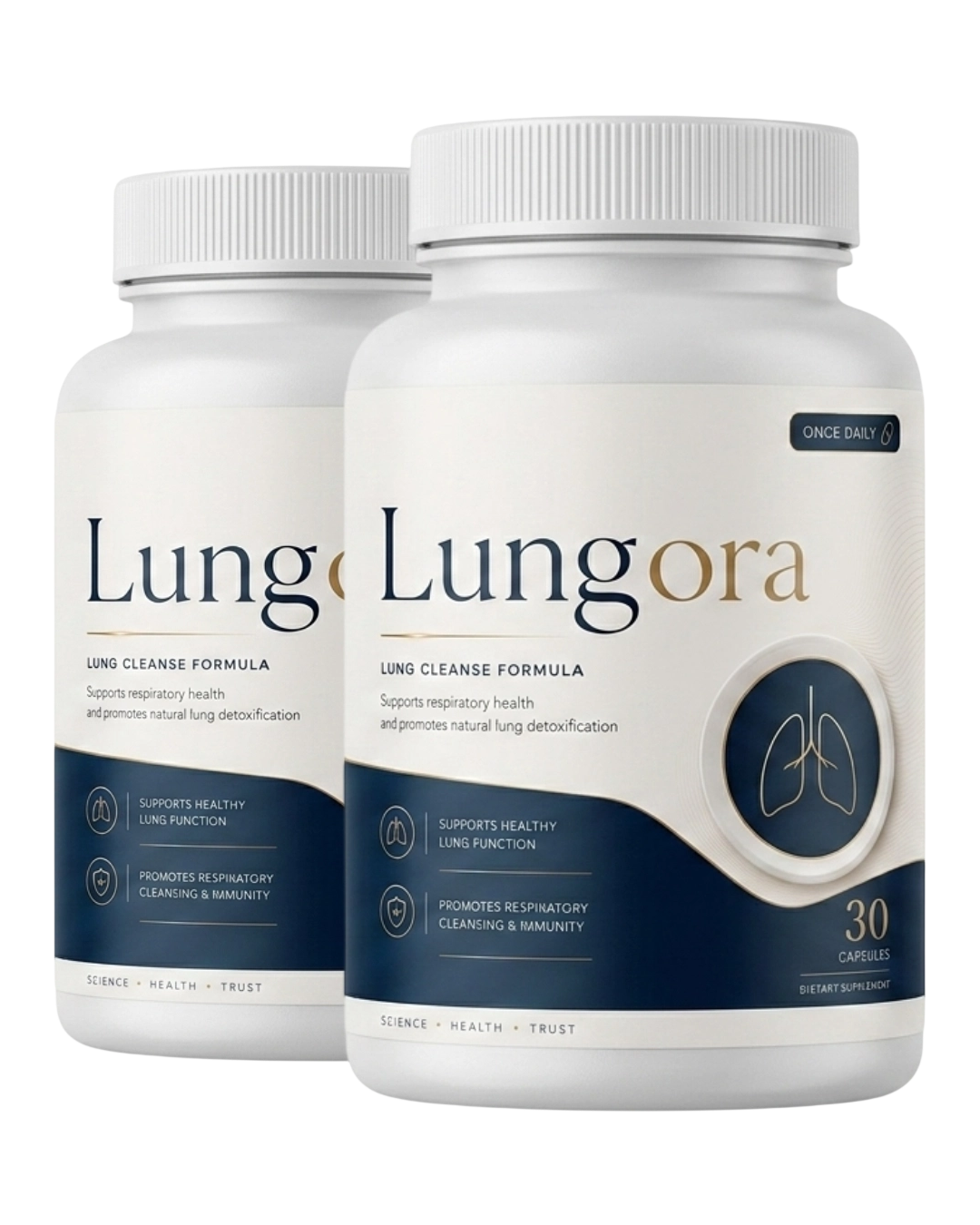
Complementing a Healthy Diet
Lungora is designed to complement — not replace — a healthy diet and lifestyle, with a formula built around six clearly listed ingredients.
See the Full FormulaQuick Answers
Can diet alone replace a lung support supplement?
A varied, nutrient-rich diet is foundational to general wellness. Supplements are meant to complement, not replace, a healthy diet.
Are there foods that are bad for lung health?
Highly processed foods, excess sodium, and fried foods are generally discouraged as part of an overall healthy eating pattern, though no single food determines respiratory health alone.
How quickly can dietary changes make a difference?
Dietary patterns generally support health over the long term rather than producing immediate changes. Consistency matters more than any single meal.