Search for "lung support pills" and you'll get pages of results, most looking fairly similar: a bottle, a handful of bullet points, and a buy button. Once you look past the packaging, though, the actual products vary quite a bit — in ingredients, dosing, and how honestly they're marketed. Here's what's actually worth checking.
Start With the Label, Not the Marketing Copy
The sales page is written to persuade you. The supplement facts panel is the closest thing to an objective source you'll get. Before anything else, look for:
- A full ingredient list with amounts. If a product lists a "proprietary blend" without breaking down individual quantities, you have no way to know if you're getting a meaningful amount of anything.
- Serving size and directions. How many pills, how often, and any notes about timing (with food, at a certain time of day, etc.).
- Allergen and other-ingredient disclosures. Capsule material, fillers, and allergens should be listed, not just the "active" ingredients.
What's Usually Inside
Most lung support pills draw from a fairly consistent pool of ingredients: vitamins and minerals (see our lung support vitamins guide), herbal extracts (see our lung support herbs guide), and amino acid or antioxidant compounds like L-carnitine or CoQ10. There's rarely anything exotic — the differentiator between products is usually the combination, dosing, and quality control, not some secret ingredient.
Claims Worth Being Skeptical Of
Because supplements are regulated differently than drugs, legitimate products stick to "structure/function" language — think "supports healthy lung function" rather than "clears your lungs" or "reverses lung damage." If a pill promises to cure a condition, replace medication, or produce results within days, treat that as a red flag rather than a selling point.
Quick gut-check: if a listing can't tell you exactly what's in it, how much, and what it's realistically meant to do, it's not ready to be trusted with your money — regardless of how polished the page looks.
Pills vs. Other Formats
Pills and capsules are popular because they're easy to dose consistently and simple to travel with, compared to powders or liquids. For a closer look at how the terminology around "pills" and "supplements" overlaps, see Lung Support Supplements vs. Pills. If you're specifically looking at formulas marketed around breathing rather than general lung wellness, our breathing support pills guide covers that angle.
An Example Worth Comparing Against
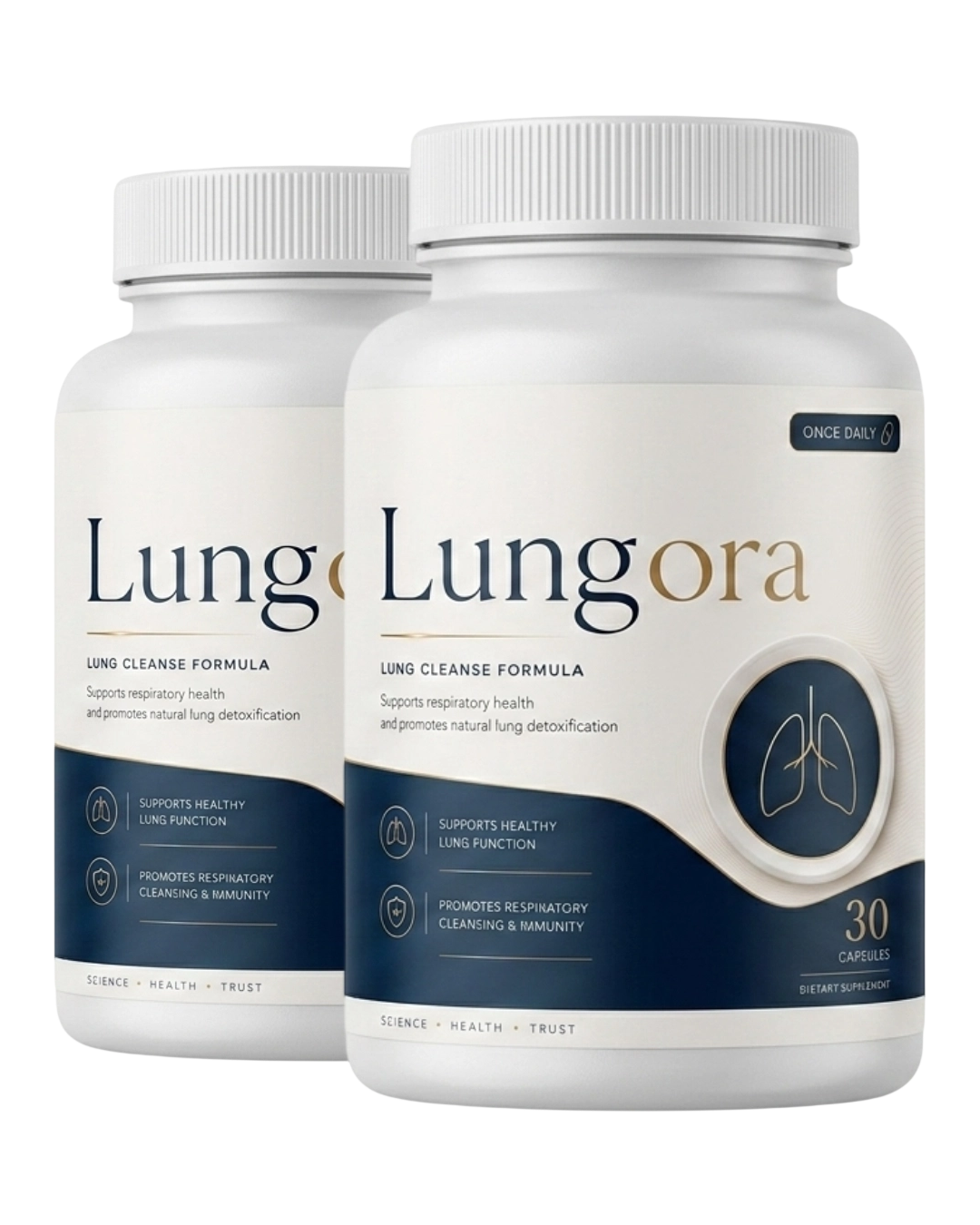
Lungora is a once-daily capsule with a fully disclosed six-ingredient formula — no proprietary blend, and a published 60-day guarantee.
See the Full FormulaQuick Answers
Are lung support pills the same as prescription medication?
No. They're dietary supplements, not drugs, and aren't reviewed by the FDA for effectiveness the way medications are. They don't replace prescribed treatment.
How many pills should I expect to take per day?
It varies by product — many use a once-daily capsule format, but always follow the specific label directions for whatever you choose.
Do lung support pills work quickly?
No honest supplement can promise fast results. Most are meant for consistent daily use over time, as part of a broader routine.