Turmeric is probably the single most common herbal ingredient across the entire wellness supplement industry, and respiratory formulas are no exception. Here's what's actually behind the hype.
Turmeric vs. Curcumin
Turmeric is the root/spice; curcumin is the specific compound within turmeric responsible for most of its studied properties, particularly its antioxidant activity. When you see "Turmeric Extract" on a supplement label, it usually means the curcumin content has been concentrated well beyond what you'd get from culinary turmeric powder.
Why It's Relevant to Antioxidant Support
Curcumin is widely studied for its antioxidant properties — its ability to help neutralize free radicals that contribute to oxidative stress. Since lung tissue is continuously exposed to inhaled air (including pollutants), antioxidant support is a common theme in respiratory wellness formulas generally, and turmeric extract is one of the most frequently used ingredients for that purpose alongside compounds like CoQ10.
Keep expectations grounded: antioxidant support is a general wellness concept, not a treatment claim. Turmeric extract is not a treatment for asthma, COPD, or any other respiratory condition, regardless of how it's marketed.
The Absorption Problem
Curcumin on its own is notoriously poorly absorbed by the body. That's why many formulas pair it with piperine (a compound from black pepper) or use specialized extraction methods to improve bioavailability. If a product doesn't address absorption at all, its effective curcumin delivery may be lower than the label amount suggests.
How Turmeric Fits Into a Broader Formula
Turmeric extract is rarely used alone in respiratory wellness products — it's typically one of several ingredients spanning antioxidants, herbs, and vitamins. See our lung support herbs guide for how it compares to other botanicals like butcher's broom root and mullein leaf.
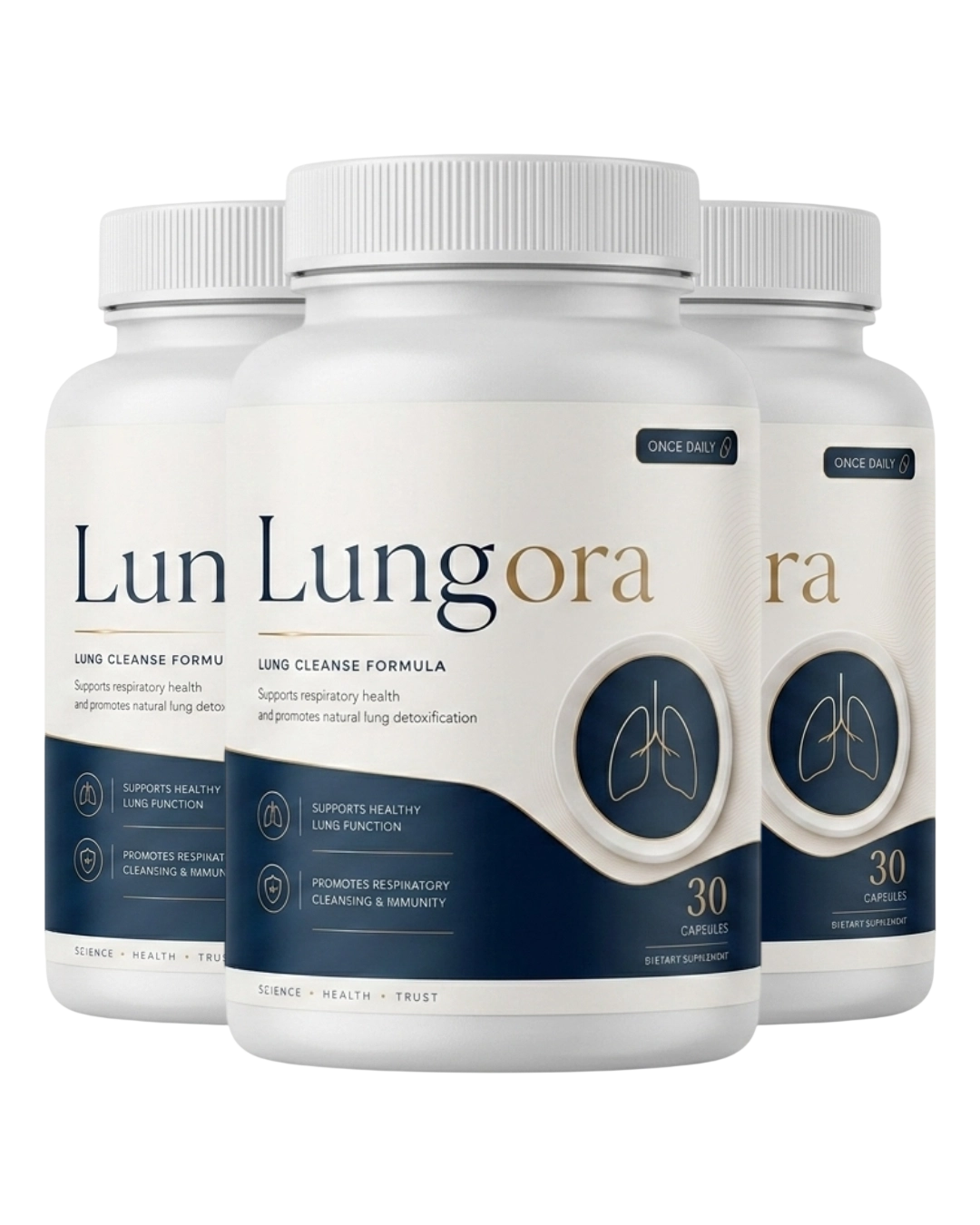
Turmeric Extract in Lungora
Turmeric Extract is one of Lungora's six listed ingredients, paired with CoQ10 as part of its antioxidant and healthy-aging support pillar.
See the Full FormulaQuick Answers
Why is curcumin often paired with black pepper?
Curcumin alone is poorly absorbed. Piperine, found in black pepper, is commonly added to improve absorption, though formulas vary on whether they include it.
Can I just eat turmeric instead of taking an extract?
Culinary turmeric has much lower curcumin concentrations than a standardized extract. Both can be part of a healthy diet, but they aren't interchangeable in terms of dosing.
Is turmeric safe for everyone?
Most people tolerate turmeric well in food amounts. Higher-dose extracts may interact with blood thinners or affect those with gallbladder issues — check with a healthcare provider first.