"Antioxidant" is one of the most overused words in wellness marketing, which makes it easy to forget it describes something specific and genuinely relevant to how the body handles everyday stress — including the kind lung tissue is exposed to.
What Antioxidants Actually Do
Free radicals are unstable molecules produced naturally during metabolism, and also introduced by things like pollution, cigarette smoke, and UV exposure. In excess, they can contribute to oxidative stress, a process linked to general cellular wear over time. Antioxidants are compounds that help neutralize free radicals, and the body relies on getting a steady supply from food (and sometimes supplements) since it can't produce enough on its own.
Foods Highest in Antioxidants
- Berries — blueberries, blackberries, and raspberries are consistently near the top of antioxidant food lists.
- Dark leafy greens — spinach and kale provide vitamin C, beta-carotene, and other antioxidant compounds.
- Nuts — walnuts and pecans contain vitamin E and polyphenols.
- Turmeric — curcumin is one of the most studied plant-based antioxidants. See our turmeric guide for detail.
- Dark chocolate (in moderation) — cacao contains flavonoids with antioxidant properties.
Why This Matters for Respiratory Wellness Specifically
Lungs have a uniquely large surface area in direct contact with the outside air, which means lung tissue is regularly exposed to airborne oxidative stressors — smoke, pollution, and particulate matter among them. This is one reason antioxidant nutrition comes up so consistently in respiratory wellness content. It's general nutritional science, not a claim that any food or antioxidant prevents or treats lung disease.
Balance matters: the body actually needs some level of oxidative activity for normal cell signaling. The goal of a good diet isn't to eliminate free radicals entirely — it's to maintain a healthy balance through varied, whole-food nutrition.
For the vitamin side of antioxidants specifically, see our vitamin C guide. For the bigger nutritional picture, see our lung support foods guide.
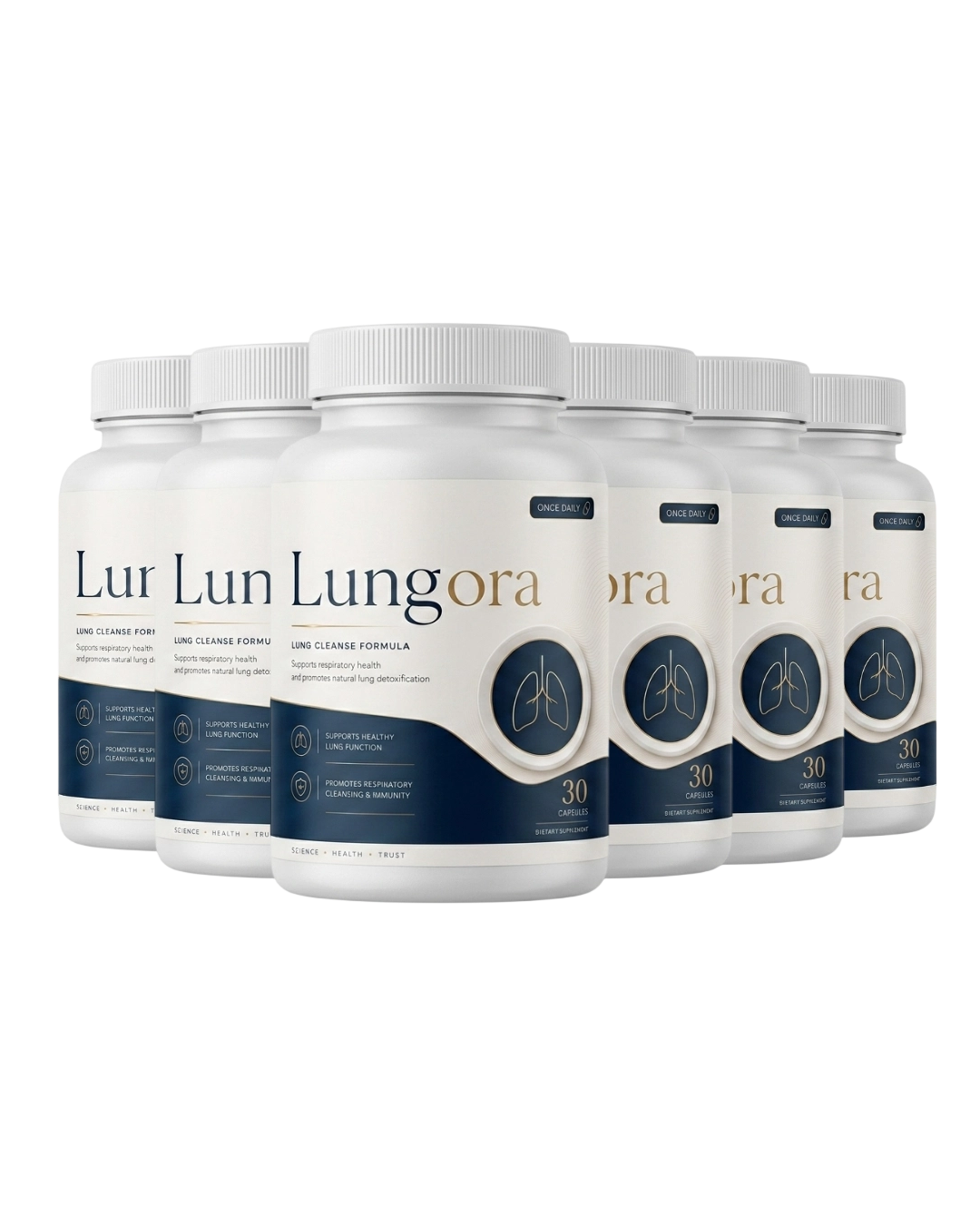
Antioxidant Support in Lungora
Lungora includes Turmeric Extract and CoQ10 as its dedicated antioxidant and healthy-aging support ingredients.
See the Full FormulaQuick Answers
What exactly is oxidative stress?
It happens when free radicals outnumber available antioxidants, potentially contributing to cell damage over time. It's a normal part of metabolism, influenced by diet, pollution, and lifestyle.
Do antioxidant supplements work as well as food sources?
Whole foods provide antioxidants alongside fiber and other compounds that may work together. Supplements offer convenience but aren't necessarily a one-to-one replacement for a varied diet.
Is more antioxidant intake always better?
Not necessarily — the body relies on a balance of oxidative and antioxidant processes. A varied diet is generally recommended over extremely high-dose supplementation of any single antioxidant.