Vitamin D gets discussed constantly in general wellness circles, and respiratory wellness content is no exception. Here's the plain-language version of why.
What Makes Vitamin D Different
Unlike most vitamins, the body can produce vitamin D on its own when skin is exposed to sunlight (specifically UVB rays). It's also fat-soluble, meaning it's stored in body fat rather than excreted quickly like water-soluble vitamins such as vitamin C. Vitamin D plays a role in calcium absorption, bone health, and immune system regulation.
Why It Comes Up in Respiratory Wellness Discussions
Vitamin D receptors are found on immune cells throughout the body, and adequate vitamin D status is commonly discussed as part of general immune function support. Because immune health and respiratory wellness are closely linked topics in general nutrition content, vitamin D frequently appears in lung and respiratory wellness formulas and articles. This is general nutritional context — not a claim that vitamin D treats or prevents any respiratory illness.
Who Tends to Fall Short
Vitamin D deficiency is fairly common, particularly among people who:
- Live in northern latitudes with less year-round sun exposure
- Spend most of their time indoors
- Have darker skin, which produces vitamin D less efficiently from sunlight
- Are older adults, since skin becomes less efficient at vitamin D synthesis with age
A simple blood test ordered by a healthcare provider is the only reliable way to know your actual levels.
Worth noting: unlike water-soluble vitamins, vitamin D can accumulate to excessive levels if taken in very high doses over time. More is not automatically better — follow label directions and check with a healthcare provider before taking high-dose supplements.
For a broader look at how vitamin D fits alongside other nutrients in this category, see our lung support vitamins guide, or compare it to vitamin C's antioxidant role.
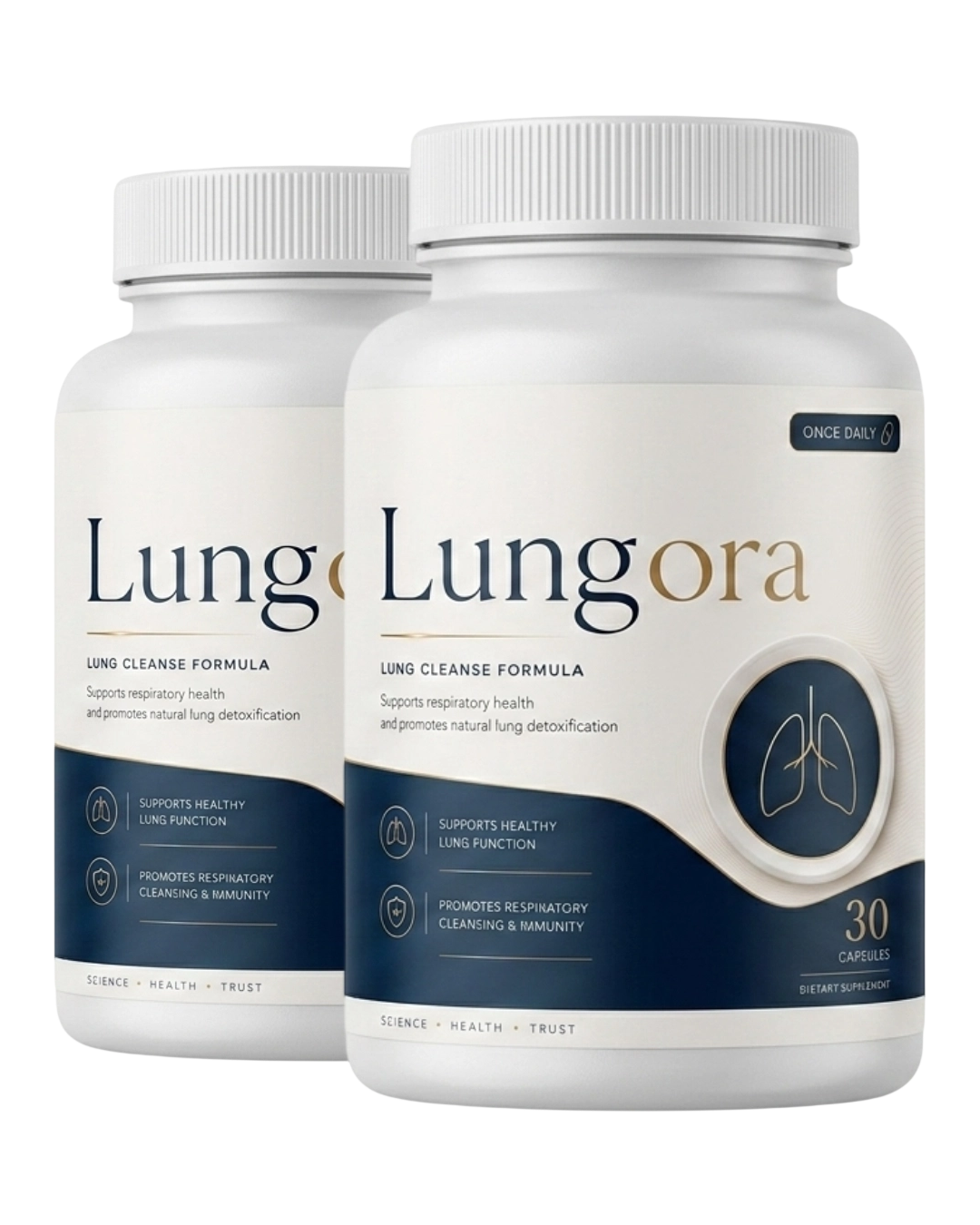
Lungora's Nutrient Approach
Lungora's formula centers on Magnesium Glycinate, Alpha Lipoic Acid, and other targeted ingredients rather than vitamin D specifically — see the full label for exact details.
See the Full FormulaQuick Answers
How do I know if I'm low on vitamin D?
A blood test ordered by a healthcare provider is the only reliable way to check. Don't self-diagnose based on symptoms alone.
Can I get enough vitamin D from sunlight alone?
It depends on skin tone, latitude, season, sunscreen use, and time outdoors. Many adults, especially in northern climates, don't get enough from sunlight alone.
Is it possible to take too much vitamin D?
Yes — it's fat-soluble and can build up in the body. Follow label directions and consult a healthcare provider before taking high-dose supplements.