Vitamin C shows up in nearly every general wellness conversation, and lung health content is no exception. Here's what's actually behind that reputation, without the overstatement.
What Vitamin C Does in the Body
Vitamin C (ascorbic acid) is a water-soluble antioxidant and a cofactor for several enzymes involved in collagen production and normal immune function. As an antioxidant, it helps neutralize free radicals — unstable molecules that contribute to oxidative stress throughout the body, including in lung tissue exposed to environmental pollutants and everyday metabolic activity.
Why It's Linked to Respiratory Wellness Specifically
Lung tissue has a large surface area exposed to inhaled air, which includes oxidative stressors from pollution, smoke, and other airborne particles. Because vitamin C is one of the body's primary water-soluble antioxidants, it's frequently discussed in the context of general antioxidant protection for tissues exposed to this kind of stress — including the lungs. This is general nutritional science, not a claim that vitamin C treats or prevents any lung condition.
Food Sources vs. Supplements
Vitamin C is widely available in food: citrus fruits, bell peppers, strawberries, kiwi, and broccoli are all commonly cited sources. Because it's water-soluble, the body doesn't store large reserves, so consistent intake — whether from food or a supplement — matters more than occasional large amounts. Our lung support foods guide and antioxidant-rich foods guide cover the dietary side in more depth.
Keep in mind: vitamin C is one antioxidant among several the body uses. It's rarely included in isolation in respiratory wellness formulas — more often it's paired with other antioxidants like vitamin E, turmeric extract, or CoQ10 for broader coverage.
How It Fits Into a Combination Formula
Many lung support supplements don't rely on vitamin C alone — they combine it (or similar antioxidants) with other ingredient categories. See our lung support vitamins overview for how vitamin C fits alongside vitamin D, magnesium, and other nutrients in this category.
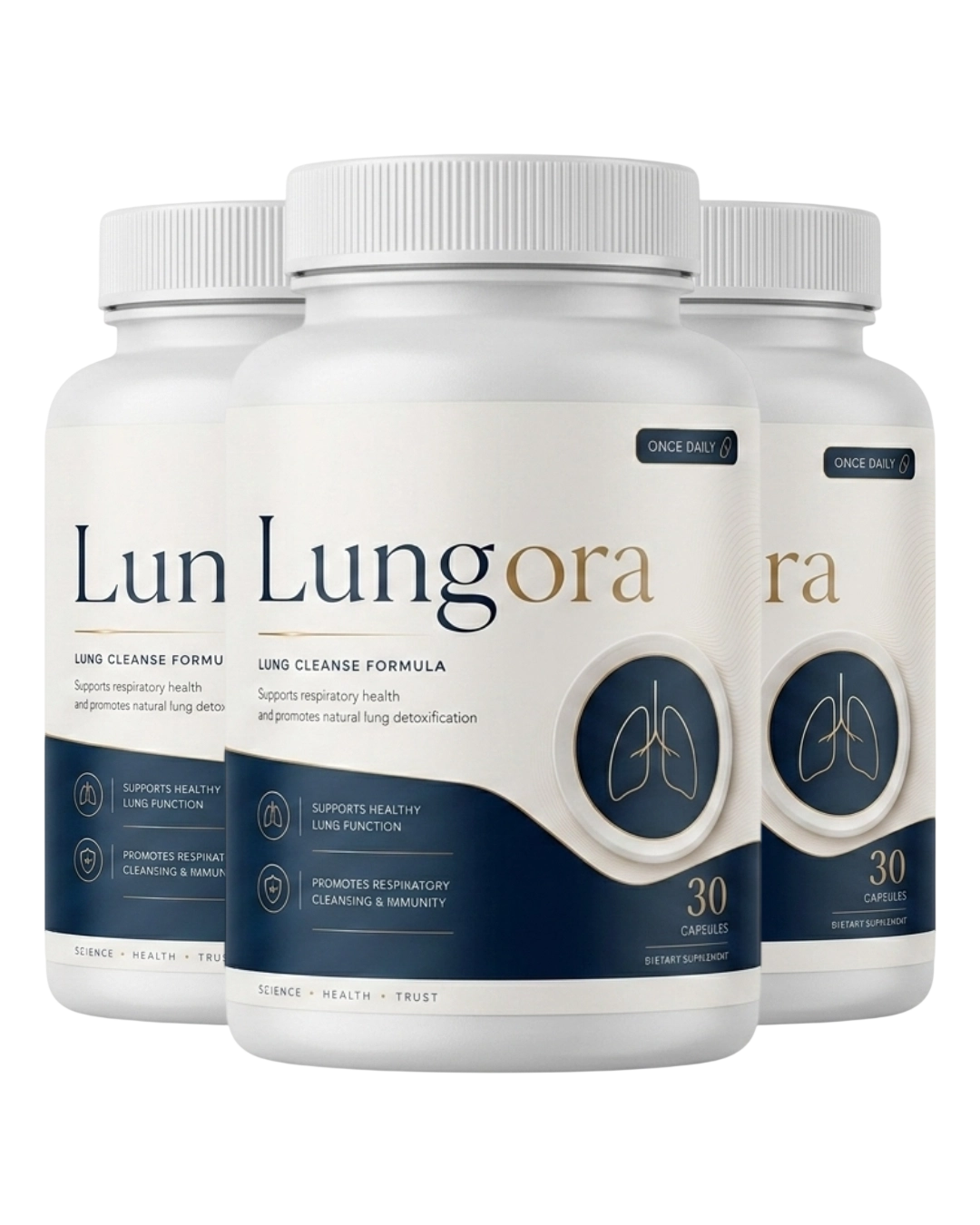
Lungora's Antioxidant Approach
Rather than vitamin C specifically, Lungora leans on Turmeric Extract and CoQ10 for its antioxidant support pillar — a different combination aimed at a similar general goal.
See the Full FormulaQuick Answers
How much vitamin C do adults need daily?
General adult recommendations are commonly cited around 65-90 mg per day, though individual needs vary — check current guidance from a healthcare provider or a resource like the NIH.
Can too much vitamin C cause side effects?
Very high doses can cause digestive upset in some people. Since it's water-soluble, excess is generally excreted, but more isn't automatically better.
What foods are highest in vitamin C?
Citrus fruits, bell peppers, strawberries, kiwi, and broccoli are commonly cited vitamin C-rich foods.